


phwin | Exploring 'Simulations' in the Gaming World: The Rise of 'Phwin'
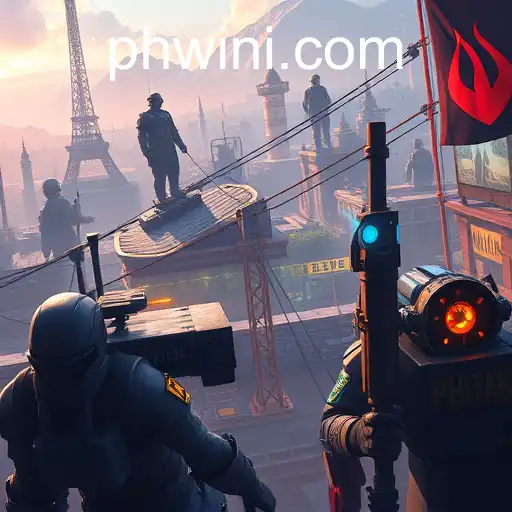
In the ever-evolving world of video games, the 'Simulations' category has been a staple that consistently attracts a wide array of gamers. Simulations, often referred to as 'sims,' offer players an immersive experience that mimics real-world or fantastical scenarios with intricate detail. Recently, a term that has gained traction within this category is 'phwin.' As interest in simulations continues to grow, understanding what 'phwin' entails and how it influences game design and player experience is crucial.
Games categorized under simulations are diverse, ranging from life and management simulations to those that allow players to operate vehicles or build complex structures. The hallmark of these games is their emphasis on realism and accuracy, requiring players to apply strategic thinking and problem-solving skills.
The keyword 'phwin' has surfaced as a notable term associated with an intriguing subgenre of simulation games. While 'phwin' itself might not yet have a widespread or universally accepted definition, it often symbolizes a blend of strategic gameplay elements that prioritize skill and coordination. Many games tagged with 'phwin' are designed to challenge players with complex tasks that test their ability to manage resources, time, and other players within virtual environments.
The popularity of 'phwin'-related games can be attributed to the growing interest in competitive and cooperative multiplayer modes. In recent years, gamers have shown a preference for engaging gameplay experiences that go beyond mere single-player campaigns. These multiplayer settings encourage communication, alliance formation, and competition, which enhance the overall enjoyment factor for participants.
As developers continue to explore the endless possibilities within the simulations category, 'phwin' serves as both an inspiration for innovative gameplay mechanics and a reflection of gamers' desires for enriched content that simulates real-world dynamics. Whether it's managing a bustling city, piloting advanced machinery, or navigating complex social systems, the versatility of simulation games combined with the allure of 'phwin' ensures their continuing appeal to both new players and seasoned veterans.
Looking forward, it will be fascinating to observe how 'phwin' evolves and what new trends it might inspire within the simulation game space. Game developers and enthusiasts alike seem poised for an exciting journey as they push the boundaries of what simulations can offer, ensuring a vibrant future for this beloved gaming category.
